 |
|||
 |
|||
 |
 |
 |
|
 |
|
 |
 |
 |
|||
 |
|||
 |
|||
 |
|||
 |
 |
|
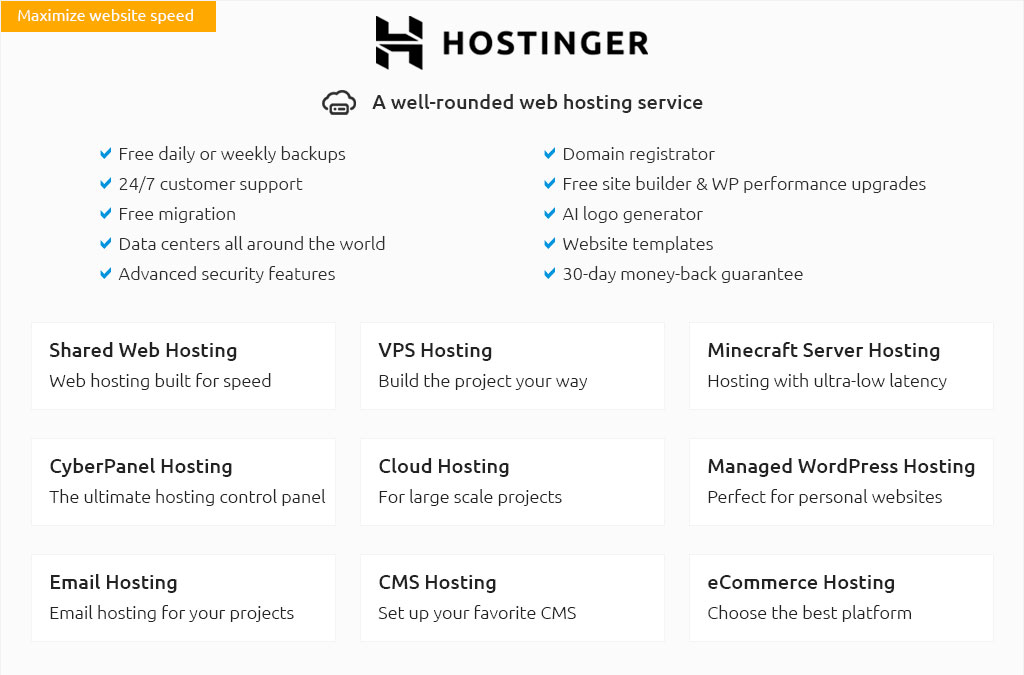
dyzpo27nhvg The Essentials of Standard Web HostingIn the vast digital landscape, where websites are the storefronts of the modern age, choosing the right web hosting service is akin to selecting the perfect plot for building your dream home. Standard web hosting stands as the cornerstone for many small to medium-sized enterprises venturing into the online world. At its core, standard web hosting provides the essential services required to get a website up and running, offering a balanced blend of cost-effectiveness and functionality. This type of hosting typically involves sharing server resources with other websites, which keeps costs down but may affect performance during peak times. While some may argue that this shared nature is a drawback, it often suffices for sites with moderate traffic levels. When exploring standard web hosting, one must consider several crucial factors. Reliability and uptime are paramount; a host that guarantees 99.9% uptime ensures that your site is accessible to visitors almost without fail. Additionally, security measures should be robust, including features such as SSL certificates, firewalls, and regular backups to protect against data breaches and loss. Another aspect to ponder is the customer support offered by the hosting provider. Having access to 24/7 support can be invaluable, especially during unexpected downtimes or technical hiccups. Furthermore, the scalability of the hosting plan is significant for growing businesses; the ability to upgrade seamlessly as traffic increases can prevent potential disruptions. Despite the shared nature of resources, standard web hosting often comes with user-friendly control panels, such as cPanel or Plesk, which facilitate the management of domains, databases, and email accounts. This ease of use appeals to those without extensive technical knowledge, allowing them to focus on content creation and business strategies rather than technical intricacies. However, as with any service, there are trade-offs. While standard hosting is generally sufficient for most, websites with high traffic volumes or requiring extensive server resources might experience slower load times. In such cases, a virtual private server (VPS) or dedicated hosting might be a more suitable choice.
In conclusion, while standard web hosting might not boast the high-performance capabilities of dedicated servers, its affordability and simplicity make it a commendable choice for many. It serves as an excellent starting point for businesses aiming to establish an online presence without incurring significant expenses. As with any service, due diligence is advised; evaluating the specific needs of your website against the offerings of potential hosting providers is crucial. Ultimately, standard web hosting continues to be a popular option due to its ability to provide a stable, economical foundation for countless websites across the globe. https://www.ibm.com/think/topics/web-hosting
Web hosting is a cloud service in which a service provider stores all the files that comprise a website on a server and makes the website accessible on the ... https://www.interserver.net/webhosting/compare-plans.html
Features. Select your plan. Managed Web Hosting Features ... rec Standard Monthly Order ... Windows Monthly Order ... WordPress Monthly ... https://www.webhostinghub.com/hosting-plans
Web Hosting Hub has plans that offer flexibility for these with a growing business. Unlimited disk space, unlimited bandwidth, cPanel and a free domain for ...
|
